

Unpacking the Duct Cleaning Cost: What You Need to Know in 2026
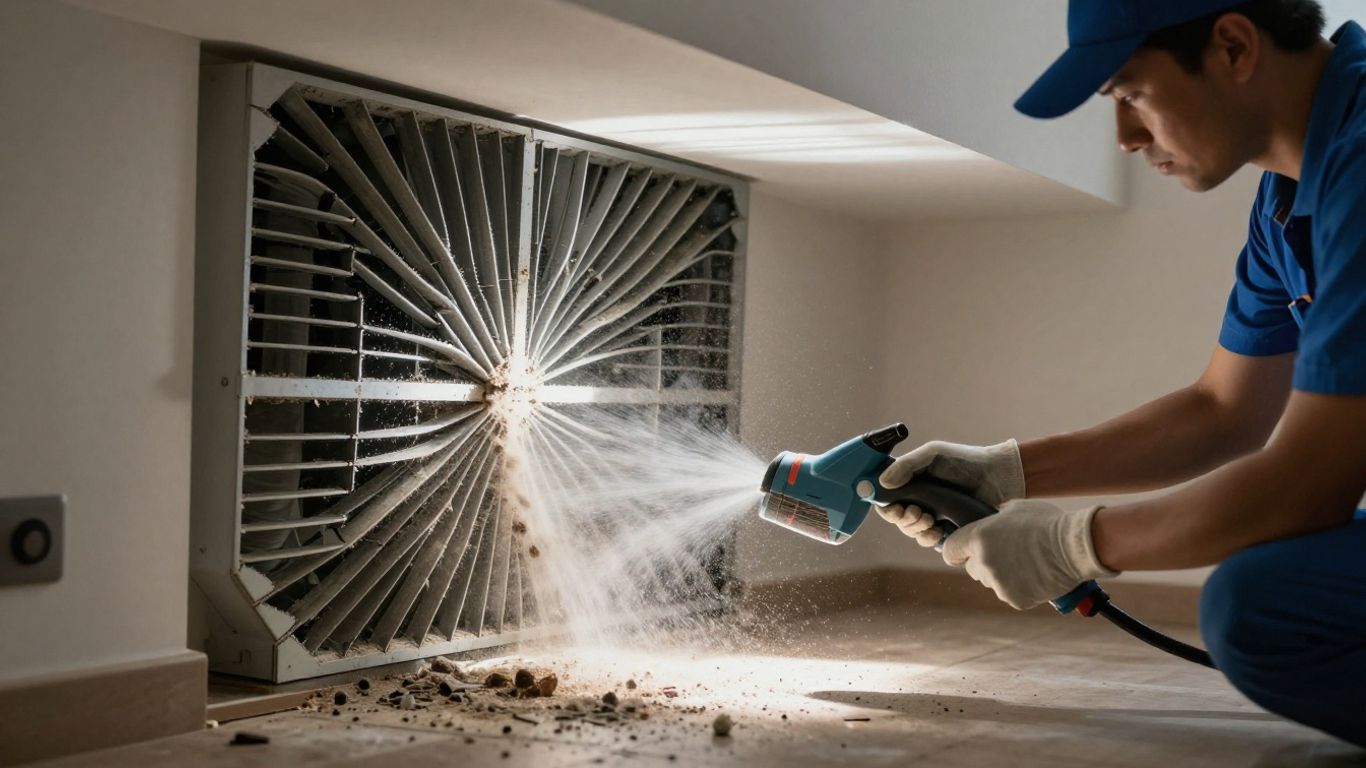
Thinking about getting your air ducts cleaned? It’s a good idea to know what you’re getting into, especially when it comes to the cost. The price can jump around quite a bit, and understanding why is key to not getting surprised by the final bill. This guide will help you figure out the average duct cleaning cost and what factors play a role in that number for 2026.
Key Takeaways
- The typical duct cleaning cost for a standard home usually falls between $450 and $1,000, but this is just a starting point.
- Home size, the number of vents, and how easy it is to access your ductwork are major factors that influence the final price.
- Be wary of extremely low prices, as they often indicate a “bait-and-switch” tactic or incomplete service, leading to higher costs later.
- Additional services like mold removal, pest control, or sealing duct leaks will add to the overall duct cleaning cost.
- A thorough cleaning involves using specialized equipment to remove debris from the entire duct system, not just a quick vacuuming.
Understanding The Average Duct Cleaning Cost
What’s The Typical Price Range?
So, you’re curious about how much getting your air ducts cleaned might set you back in 2026? It’s a fair question, and honestly, there isn’t one single number that fits everyone. Think of it like getting a car repair – the final bill depends on what’s actually wrong and how complicated the fix is. Generally speaking, most homeowners can expect to pay somewhere in the ballpark of $450 to $1,000 for a professional, whole-house duct cleaning. This range usually covers a thorough job on a standard single-family home with one HVAC system. For a more precise idea, the average homeowner typically spends around $389 [5763].
Why Averages Are Just A Starting Point
Now, that $450 to $1,000 figure is just a starting point, a general idea. Your actual quote could be higher or lower. Why the difference? Well, a lot of things play into it. The size of your home is a big one – more square footage usually means more ductwork to clean. Then there’s the number of vents you have; each one adds to the time and effort involved. Some companies might even charge a minimum service fee, often between $200 and $350, just to cover their trip and setup costs.
Here’s a quick look at how pricing can break down:
- Per-Vent Pricing: This is where you pay a set amount for each vent, typically ranging from $25 to $75 per vent. It’s straightforward but can add up quickly in larger homes.
- Per-Square-Foot Pricing: Some companies base their cost on your home’s total square footage, often charging between $0.15 and $0.40 per square foot. This can be a good option for larger homes.
- Flat-Rate Pricing: This is a single price for the whole job, usually within that $450-$1,000 range for an average home. It sounds simple, but always check what’s actually included.
The ‘Too Good To Be True’ Trap
Be wary of prices that seem way too low. If a company is offering duct cleaning for, say, $100, it’s a major red flag. These super cheap deals often come with hidden fees or the service might be what’s called a "blow and go" job. That means they do a quick, superficial clean that doesn’t really get the job done right. You might end up paying more in the long run if you have to hire someone else to fix it properly. Always look for companies with good reviews and certifications, like those from the National Air Duct Cleaning Association (NADCA) [1227].
It’s easy to get caught up in the numbers, but remember that duct cleaning is about improving your home’s air quality and your family’s health. A cheap service that doesn’t do the job effectively isn’t a good deal at all. Focus on finding a reputable professional who offers a thorough cleaning, not just the lowest price.
Factors That Shape Your Duct Cleaning Bill
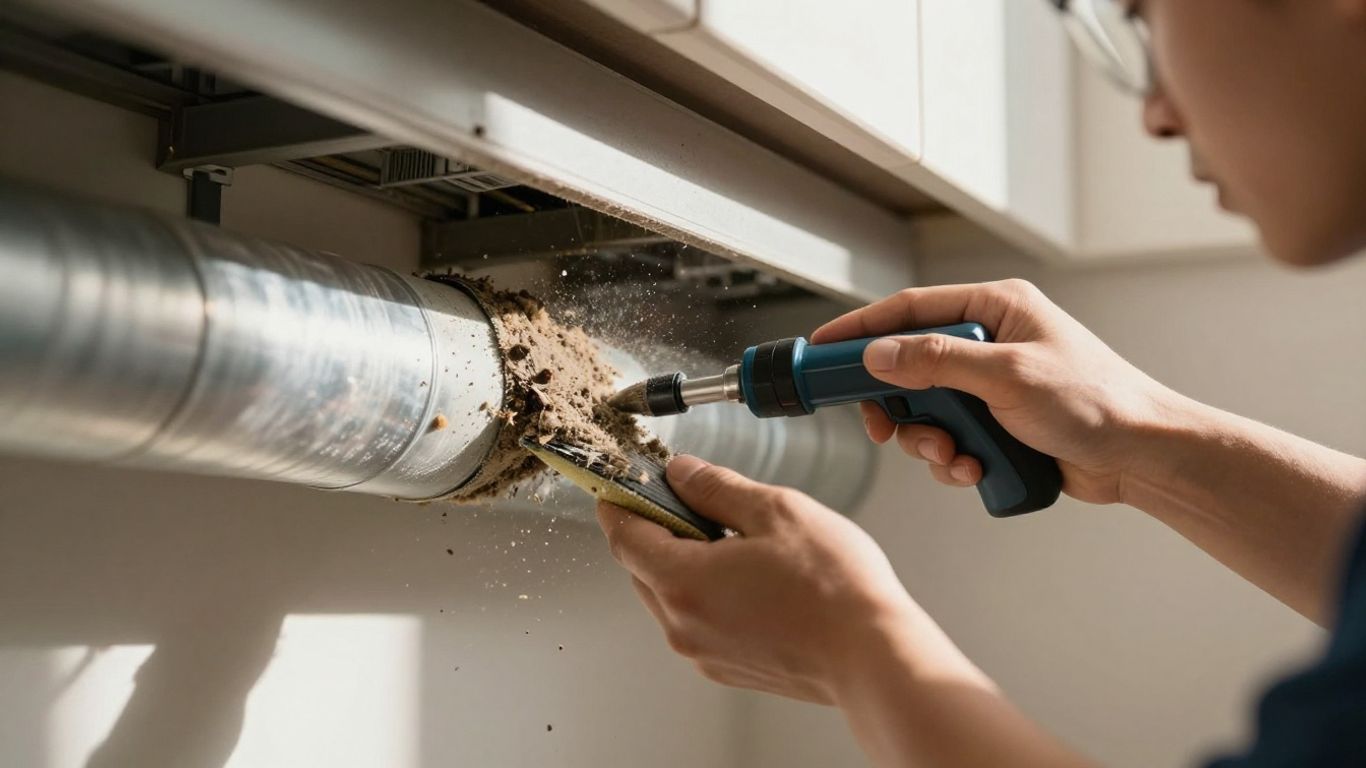
So, you’re thinking about getting your air ducts cleaned, huh? It’s a good idea to know what you’re getting into price-wise. While there are averages out there, your final bill can swing quite a bit depending on a few key things. It’s not just a one-size-fits-all kind of deal.
Home Size and Vent Count Matters
This is probably the biggest player in the game. Think about it: a bigger house means more ductwork, right? More square footage usually translates to more vents, and each one of those needs attention. Companies often have a base price and then add a fee for each vent they clean. So, a cozy condo with, say, 10 to 15 vents will naturally cost less than a sprawling family home with 25 or more. It’s simple math – more vents, more time, more cost.
- Small Home (10-15 Vents): Expect to be on the lower end of the price spectrum.
- Average Single-Family Home (15-25 Vents): This is where most quotes tend to land.
- Large or Multi-Story House (25+ Vents): Be prepared for a higher bill; there’s just more ground to cover.
Ductwork Accessibility: The Hidden Hurdle
Where your ducts are located can seriously mess with the price. If your ductwork is all out in the open, like in an unfinished basement with high ceilings, technicians can get in, set up their gear, and work pretty quickly. It’s a pretty straightforward job.
But, if those ducts are crammed into a tight crawlspace, a dusty attic, or hidden behind walls, things get a lot more complicated. The crew might need extra time and maybe even special tools just to reach the ducts, let alone clean them. This tricky access means more labor, and that extra effort is definitely reflected in the final cost. It’s not just about the cleaning itself, but the gymnastics required to get there.
Working in tight, hard-to-reach spaces requires a slower, more careful approach. Technicians need to be mindful of not damaging your home, and this increased attention to detail naturally adds to the time spent on the job.
How Dirty Are Your Ducts, Really?
What’s actually lurking inside your ducts makes a big difference. A light dusting of everyday household dust is one thing – a standard cleaning job. But if your ducts are packed with gunk, the whole operation changes. Post-renovation cleanup, for instance, can be pricier because drywall dust and construction debris are tough to get out. Homes dealing with heavy pet dander, mold, or even signs of pests will need a much more intensive cleaning, sometimes with special treatments. You can find more details on how different factors create a unique price for every home in our detailed guide on what to expect for duct cleaning costs.
Here’s a quick rundown of what can increase the cleaning intensity:
- Construction Debris: Fine dust and particles left over from renovations.
- Pet Hair and Dander: Especially common in homes with multiple pets.
- Mold or Mildew: Requires specialized cleaning and potentially remediation.
- Pest Infestations: Signs of rodents or insects necessitate thorough cleaning and sanitization.
Remember, a reputable company will assess these factors upfront before giving you a quote. It’s always a good idea to get a few estimates to compare, just like you would for any other home service. For more on how different home service costs are calculated, resources like Microestimates can be quite helpful.
Beyond The Basics: Additional Services
So, you’ve decided to get your ducts cleaned. That’s great! But sometimes, when folks start poking around in your ventilation system, they find more than just dust bunnies. It’s not uncommon to uncover other issues that need a little extra attention. These aren’t usually part of the standard cleaning package, so they can add to the final bill. Think of it like going to the mechanic for an oil change and finding out your brakes are shot – it’s an unexpected but necessary fix.
When Mold Or Pests Show Up
Finding mold in your ductwork is definitely not ideal. If it’s just a bit on rigid metal ducts, a specialized treatment might do the trick, but this usually costs extra, sometimes adding $1,200 to $1,500. If the mold has gotten into flexible ductwork, you’re often looking at replacing that section, which can get pricey fast, costing around $65 to $95 per foot plus the labor to install it. And if you’ve got critters – rodents or insects – making a home in your vents, that’s a whole other ballgame. You’ll need to call in an exterminator first to deal with the infestation. Only after they’ve cleared the pests can a duct cleaning company come in for a thorough cleaning and sanitization.
Sealing Up Leaks And Cracks
Leaky ducts are a real energy drain. They let all that conditioned air escape before it even gets where it’s supposed to go, and they can also suck in dust and other gunk from your attic or crawl spaces. Fixing these leaks is pretty important for keeping your system running efficiently and your air clean. The cost here can really vary. For minor leaks, you might be looking at a few hundred bucks, but if there are a lot of cracks or bigger holes, it could easily jump up to $2,000 or more. It’s one of those things where getting it done right saves you money in the long run.
Bundling Dryer Vent And HVAC Cleaning
Lots of people decide to get their dryer vent cleaned at the same time as their air ducts. It makes sense, right? You’ve already got the pros there. Clogged dryer vents are a serious fire hazard, so it’s a smart move for safety. Plus, bundling services often means you can get a better deal than booking them separately. While a standard duct cleaning might run you a few hundred bucks, adding on a dryer vent cleaning could add another $100-$200, depending on how complex the job is. It’s a good idea to ask about package deals when you’re getting quotes.
It’s always a good idea to get a detailed, written estimate before any work begins. This way, you know exactly what you’re paying for, and there are no surprises later on. A reputable company will be happy to break down all the costs for you.
Choosing The Right Duct Cleaning Professional
So, you’ve decided to get your ducts cleaned. Awesome! But before you pick the first company that pops up in a search, let’s talk about how to find someone who’ll actually do a good job. It’s not just about getting the dust out; it’s about hiring someone you can trust with your home.
Credentials That Count
When you’re looking for a duct cleaning service, you want to make sure they know their stuff. The National Air Duct Cleaners Association (NADCA) is a big deal in this industry. Companies that are NADCA-certified have technicians who’ve gone through specific training and agree to follow certain standards. It’s a good sign they’re serious about doing things right. Also, check out what other people are saying about them online. Real reviews from actual customers can tell you a lot. Don’t be afraid to ask for references, either. A solid company should be happy to share them.
Spotting Red Flags And Scams
Okay, this is super important. You’ll see ads for "$99 whole house duct cleaning" and while it sounds amazing, it’s usually not. These super low prices are often a way to get their foot in the door, and then they’ll hit you with a ton of extra charges for things you didn’t expect. Be wary of high-pressure sales tactics; a good company will give you a quote and let you decide without making you feel rushed. If a company won’t give you a written estimate after looking at your system, or if they’re vague about what they’ll actually do, that’s a big warning sign. Also, make sure they have insurance. Accidents can happen, and you want to be covered.
What A Thorough Cleaning Looks Like
A proper duct cleaning isn’t just a quick blow-through. Professionals use specialized equipment to really get the gunk out. They’ll typically set up a big vacuum to create negative pressure, which means dust and debris get sucked out, not blown around your house. Then, they use tools like brushes and air whips to scrub the inside of the ducts. They should be cleaning more than just the visible parts of the vents; they’re going after the main trunk lines too. Don’t hesitate to ask them to show you before-and-after pictures of their work. It helps you see what a real cleaning looks like and confirms they’re not just doing a surface-level job. If you’re in the Chicago area and need some expert help, PT Duct Cleaning is known for their meticulous care. They offer HVAC expertise that can make a difference.
When you’re vetting a company, remember that a detailed, written contract is your best friend. It should clearly outline everything they’ll do, the total cost, and any potential extra fees. This protects both you and the company and prevents those nasty surprises on the final bill.
What’s Included In A Professional Cleaning?
So, you’re thinking about getting your air ducts cleaned. That’s great! But what exactly are you paying for? It’s not just some guy with a shop vac sticking a hose in your vents. A proper duct cleaning is a whole-system job. Think of it like getting your car detailed – you want the whole package, not just a quick wash.
The Power Of Negative Pressure
This is a big one. Reputable companies use specialized equipment to create what’s called "negative pressure" inside your ductwork. Basically, they seal off all the vents and then use powerful vacuums to suck air out of the system. This means any dust or debris that gets dislodged is pulled directly into their collection unit, not blown around your house. It’s all about containment. They’ll usually lay down drop cloths too, so your place stays clean.
Tools For A Deep Clean
Forget your household vacuum. Professional duct cleaners have some serious gear. We’re talking about:
- High-powered vacuums: Often truck-mounted, these have way more suction than anything you’d find at a store.
- Agitation tools: These can be spinning brushes, air whips, or other devices that physically knock loose stubborn dust and gunk from the inside of the ducts.
- Cameras: Some services use cameras to inspect the ducts before and after, so you can see exactly what they’re doing and the results.
This combination of suction and agitation is what professionals call "source removal." It’s the industry standard for getting all the gunk out for good. If a company isn’t using these kinds of tools, they might just be pushing dust around, which isn’t really what you’re paying for.
Beyond Just The Ducts: Other Components
A thorough cleaning doesn’t stop at the main duct runs. It should include:
- Supply and return air ducts: The entire network that moves air around your home.
- Registers, grilles, and diffusers: All those vent covers you see on your walls and ceilings. They’re usually removed, cleaned individually, and put back.
- The air handler unit: This is the heart of your HVAC system. It includes cleaning the blower motor, fan blades, and housing, which often get pretty grimy.
- Furnace and evaporator coils: While sometimes an extra charge, cleaning these parts is super important for your system’s efficiency and your air quality. It’s worth asking if these are included or available as an add-on service.
When you get a quote, make sure it clearly states they’re cleaning the entire HVAC system, not just the visible parts of the ducts. If they miss even one component, all that leftover dust will just get recirculated as soon as you turn on your heat or AC. A complete service is key to actually breathing cleaner air.
If you’re looking for a company that handles more than just duct cleaning, like dryer vent cleaning, make sure they offer a full suite of services.
When Is Duct Cleaning Actually Necessary?
So, you’re wondering if it’s time to get those air ducts cleaned out. It’s a good question, and honestly, it’s not something you need to do every year. Think of it less like washing your car and more like a deep clean for your house – you don’t do it every weekend, right?
Signs Your Ducts Need Attention
There are a few tell-tale signs that your ductwork might be crying out for some attention. First off, if you’re noticing a lot more dust than usual settling around your home, especially right after you’ve cleaned, that’s a big clue. You might even see dust or debris actually blowing out of your vents when the heating or cooling kicks on. That’s not ideal.
Another big one is smells. If you’re getting a persistent musty or unpleasant odor coming from your vents, it could mean mold or mildew has taken up residence in your ducts. And if your allergies seem to be acting up more than usual indoors, or if someone in the house has asthma, dirty ducts circulating allergens like pet dander and dust mites could be a major culprit. It’s worth investigating if your home’s air quality has taken a nosedive.
Here are some common indicators:
- Visible dust or debris coming from vents.
- Musty or unpleasant odors when the HVAC system runs.
- Increased allergy or asthma symptoms indoors.
- Noticeable buildup on vent covers.
Routine vs. Reactive Cleaning
Most of the time, duct cleaning falls into the ‘reactive’ category. It’s not typically part of a regular HVAC maintenance schedule. While cleaning your furnace filter regularly is super important for keeping things running smoothly, duct cleaning is more about addressing specific issues. The EPA doesn’t actually recommend routine duct cleaning for everyone. It’s more about cleaning when there’s a clear reason to do so, like after a big renovation project where dust is everywhere, or if you’ve moved into a new place and have no idea about the duct history. For most folks, a professional cleaning every 3 to 5 years is plenty, but if you have pets or severe allergies, you might consider it more often. It really depends on your specific situation and what’s going on inside your home.
So, What’s the Takeaway on Duct Cleaning Costs?
Alright, so we’ve gone over a lot of details about what goes into the cost of cleaning your air ducts. It’s not just a simple number, is it? You’ve got your home’s size, how easy it is to get to the ducts, how dirty they actually are, and even where you live all playing a part. Remember, those super low prices you might see advertised? They’re often a trap. A real, thorough job takes time and the right tools, and a good company will be upfront about everything. So, do your homework, get a few quotes, and make sure you’re hiring someone who knows what they’re doing. Your lungs, and your HVAC system, will thank you for it.
Frequently Asked Questions
How much does professional air duct cleaning typically cost?
The cost for cleaning your home’s air ducts can vary quite a bit, but most homeowners spend between $450 and $1,000 for a complete job. This price can change based on how big your house is, how many vents you have, and how dirty the ducts are. It’s always a good idea to get a few quotes to compare.
What factors make the price of duct cleaning go up or down?
Several things affect the price. The size of your home and the number of vents are big ones – more vents mean more work. How easy it is for cleaners to reach your ducts also plays a role; hard-to-get-to spots can cost more. Plus, if your ducts are really dirty with things like mold or lots of pet hair, it will take more time and effort, increasing the cost.
Are there any hidden costs or scams I should watch out for?
Yes, you should be careful of deals that seem too good to be true, like a very low price for a whole house. Sometimes, companies advertise a low price but then find ‘problems’ that add a lot to the bill. Always get a detailed written estimate before work begins, and check if the company is certified by groups like the National Air Duct Cleaners Association (NADCA).
What exactly should a professional duct cleaning include?
A thorough cleaning should involve using special tools to remove dust and debris from all parts of your duct system. Professionals will typically use powerful vacuums to create suction and brushes or air tools to scrub the inside of the ducts. They should also clean other parts of your HVAC system that affect air quality, like coils and the blower motor.
When should I consider getting my air ducts cleaned?
While the EPA doesn’t say you need to clean ducts regularly, it’s a good idea if you notice a lot of dust coming from your vents, if you’ve had recent renovations, or if you suspect mold or pest issues. If anyone in your home has allergies or breathing problems that seem worse indoors, cleaning might help.
Are there extra services that might add to the cost?
Yes, sometimes cleaning reveals other issues. If mold is found, it needs special treatment that costs extra. If pests are discovered, an exterminator might need to come first. Repairing leaky ducts or adding services like dryer vent cleaning will also increase the total price.